Psyllium Husk vs Chia Seeds: Which Fibre Is Right for You?
Most Australians don't eat enough fibre. Psyllium husk and chia seeds are two of the easiest ways to close the gap. They look similar once they hit water, but they work a little differently.
Why fibre matters
Fibre keeps your bowels regular, helps you feel full, and feeds the bacteria in your gut. Australian guidelines suggest adults aim for around 25 g a day for women and 30 g for men (NHMRC). Food should always come first, but a scoop of something fibre-rich can make that target much easier to reach.
What is psyllium husk?
Psyllium husk is the outer coating of the seeds of the Plantago ovata plant. It's almost pure fibre, and most of that fibre is soluble, meaning it soaks up water and forms a thick gel. Two level tablespoons of whole husks (about 10 g) give roughly 7 g of fibre, around 6 g of it soluble.
Because it's so concentrated, psyllium is a popular way to add bulk and keep things regular.
What are chia seeds?
Chia seeds are tiny seeds from the Salvia hispanica plant. They're a whole food, so as well as fibre (roughly 4 g per tablespoon) they bring plant protein, healthy fats including plant omega-3 (ALA), and minerals such as calcium and magnesium.
Chia also forms a gel when soaked, which is why chia pudding works.
Side by side
| Psyllium husk | Chia seeds | |
|---|---|---|
| Fibre per serve | About 7 g per 2 tbsp (10 g) | About 4 g per tbsp (12 g) |
| Main fibre type | Mostly soluble | Mix of soluble and insoluble |
| Extra nutrition | Very little | Protein, healthy fats, minerals |
| Taste and texture | Neutral, thickens fast | Mild, nutty, little crunch |
| Best for | A quick, concentrated fibre boost | Adding fibre plus nutrition to meals |
So which should you choose?
Choose psyllium if you want a simple, concentrated fibre boost you can stir into water or a smoothie.
Choose chia if you'd rather add a whole food to breakfasts and snacks and get some extra nutrition along with the fibre.
Plenty of people use both: psyllium in a morning glass of water, chia sprinkled over yoghurt or oats.
How to use them
- Psyllium: stir into a full glass of water or juice and drink straight away, before it thickens. Then have another glass of water during the day.
- Chia: soak 2 tablespoons in about 125 ml of milk for chia pudding, or sprinkle over oats, yoghurt or salads.
How to avoid the bloat
- Start small. Half a teaspoon of psyllium or one teaspoon of chia, then build up over a couple of weeks.
- Drink plenty of water. Fibre needs fluid to do its job.
- Always take psyllium with a full glass of liquid. Taken with too little liquid it can swell and cause choking. Avoid it if you have trouble swallowing.
- Space it from medicines. Fibre supplements can affect how some medicines are absorbed, so ask your pharmacist about timing.
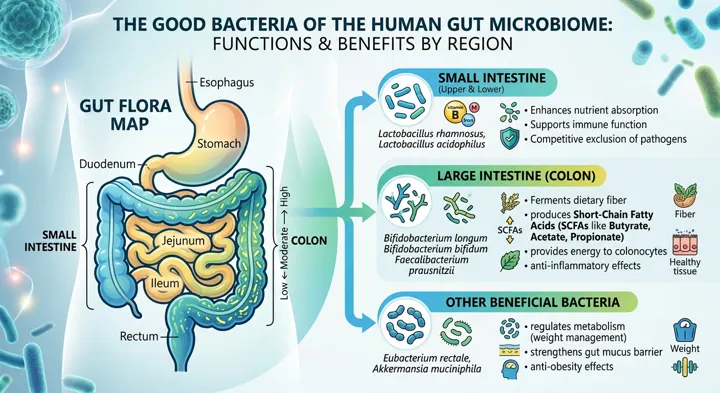
For more on how fibre feeds your gut bacteria, read prebiotics vs probiotics. And if a fibre boost leaves you feeling puffy, our guide to bloating after eating can help.