Prebiotics vs Probiotics: What's the Difference?
They sound almost identical and they're printed on half the products in the health food aisle. But prebiotics and probiotics do very different jobs. Here's the simple version.
The one-line answer
Probiotics are live, friendly bacteria. Prebiotics are the food those bacteria eat.
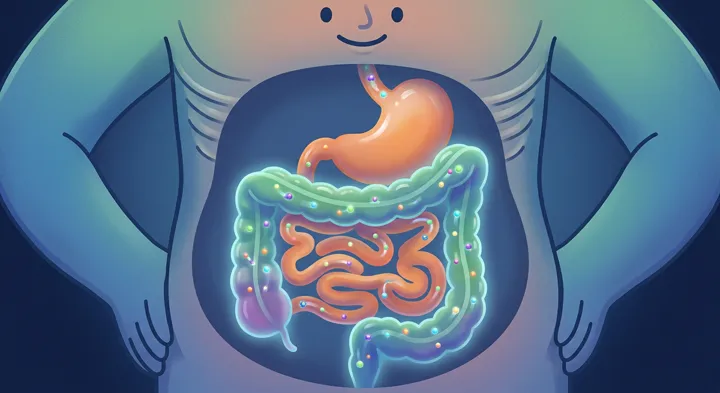
Think of your gut as a garden. Probiotics are like adding new plants. Prebiotics are the compost and water that help the garden you already have grow.
What are probiotics?
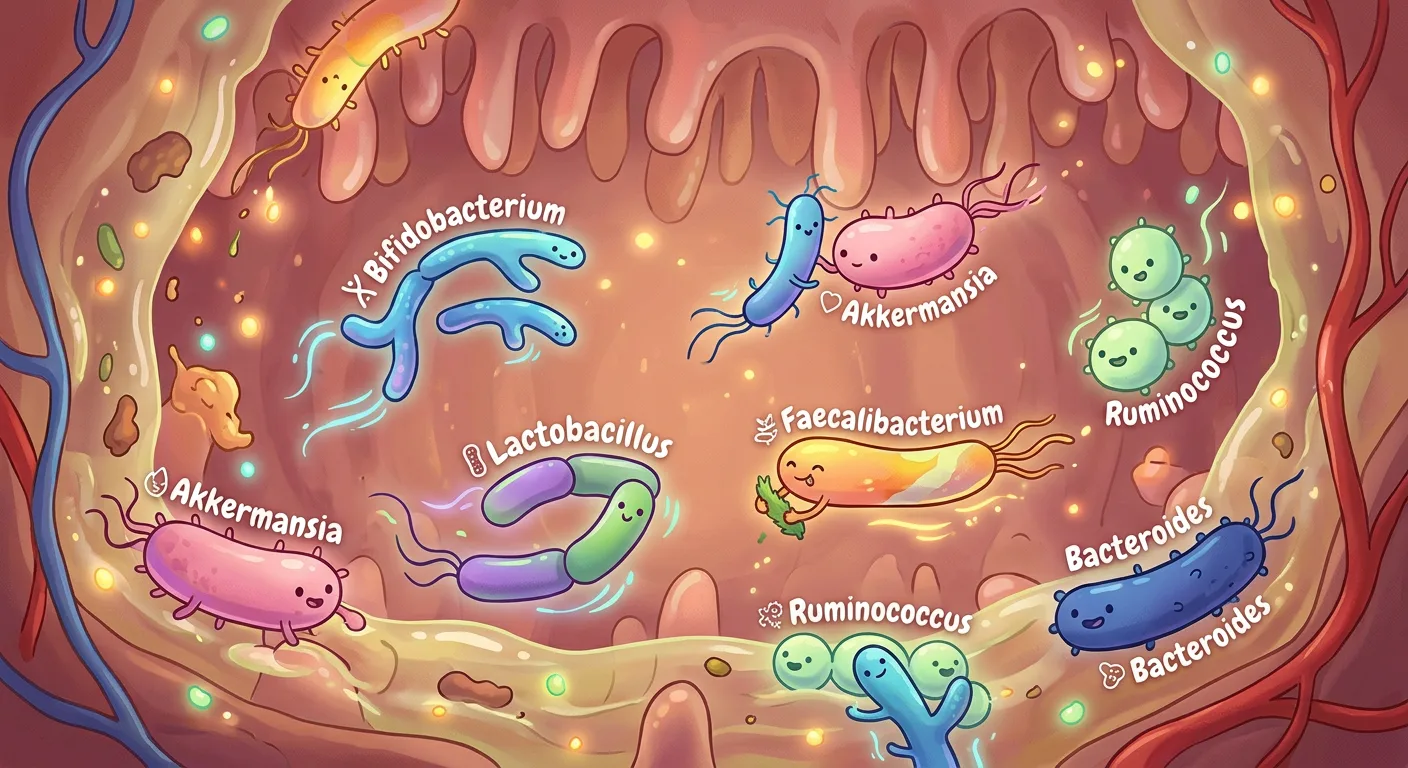
Probiotics are live microorganisms, mostly bacteria, that can be beneficial when you eat them in the right amounts. You'll find them in:
- Yoghurt with "live and active cultures" on the label
- Kefir (a fermented milk drink)
- Sauerkraut and kimchi (the refrigerated, unpasteurised kind)
- Kombucha
- Miso and tempeh
Keep in mind that different strains do different things, and not every fermented product still contains live bacteria by the time it reaches you. Heat treatment and long shelf storage can kill them off.
What are prebiotics?
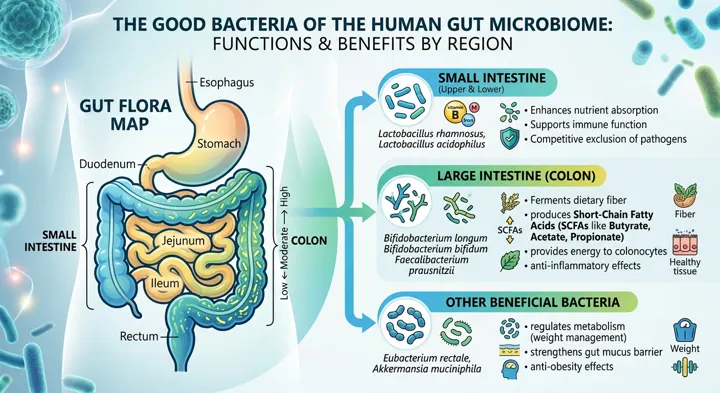
Prebiotics are types of fibre that your body can't digest, but your gut bacteria can. When they reach your large intestine, your microbes ferment them and produce helpful compounds such as short-chain fatty acids.
Good everyday sources include:
- Garlic, onion and leek
- Slightly green bananas
- Oats and barley
- Legumes like chickpeas, lentils and beans
- Asparagus and Jerusalem artichoke
- Chicory root, which is where inulin powder often comes from
Prebiotics vs probiotics at a glance
| Probiotics | Prebiotics | |
|---|---|---|
| What they are | Live friendly bacteria | Fibre that feeds gut bacteria |
| Found in | Yoghurt, kefir, sauerkraut, kimchi | Onion, garlic, oats, legumes, green bananas |
| Fragile? | Yes, heat can kill them | No, they survive cooking |
| Garden analogy | New plants | Compost and water |
Do you need both?
For most people, the simplest approach is to get both from food. A diet with plenty of plants gives you prebiotics, and a regular serve of fermented food adds probiotics. Some people call the combination "synbiotic", which just means the two together, like yoghurt topped with oats and banana.
Go slow with fibre
If your diet is currently low in fibre, increase it gradually over a couple of weeks and drink plenty of water. A sudden jump can leave you gassy and bloated while your gut adjusts. If you have a digestive condition or are on a special diet, check with your doctor or a dietitian first.
Looking for a fun way to add prebiotic fibre? Try our homemade prebiotic soda recipes. And if you're curious why your gut bacteria matter beyond digestion, read how your gut and brain talk to each other.