Why Do I Feel Bloated After Eating? Common Everyday Causes
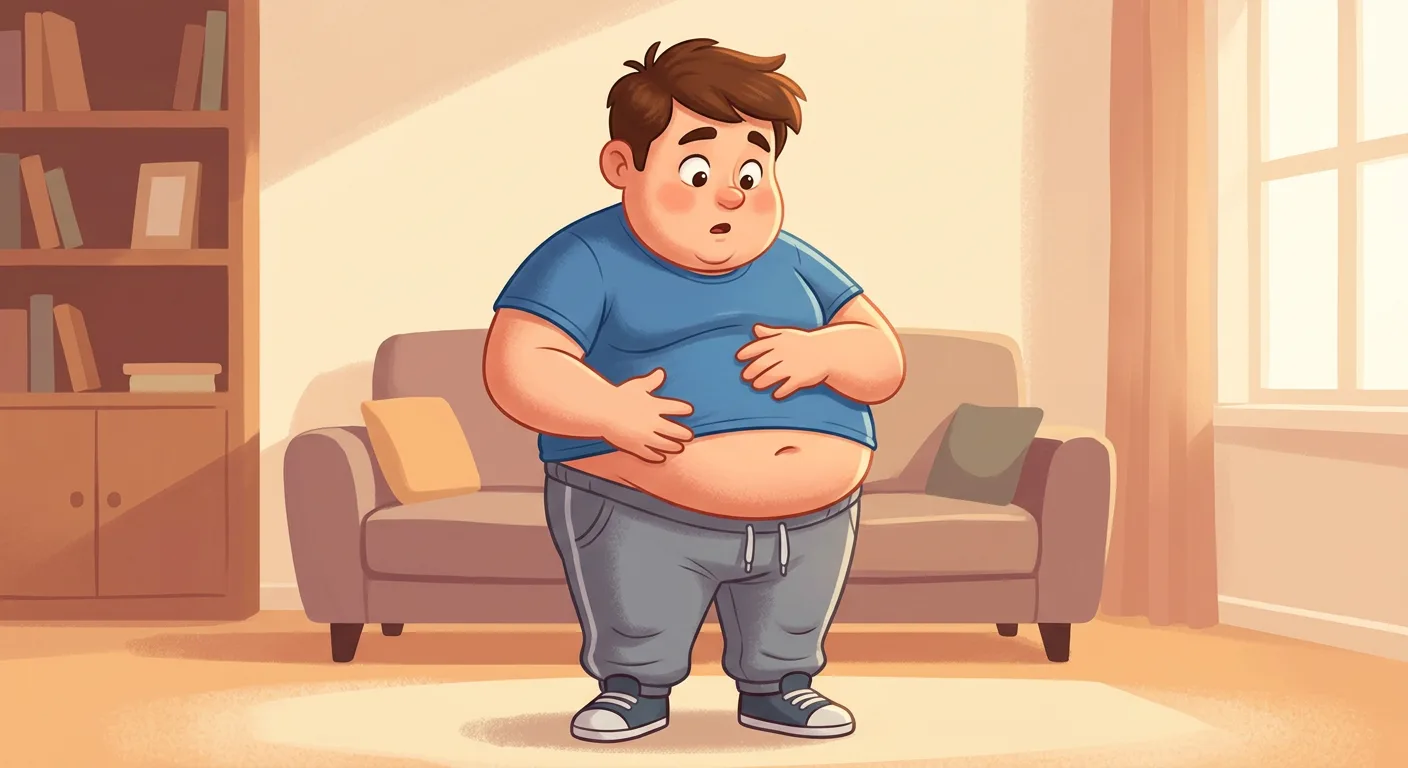
You finish a meal, and twenty minutes later your waistband feels two sizes too small. Bloating is one of the most common gut complaints there is. Most of the time it's harmless and has an everyday cause.
What is bloating?
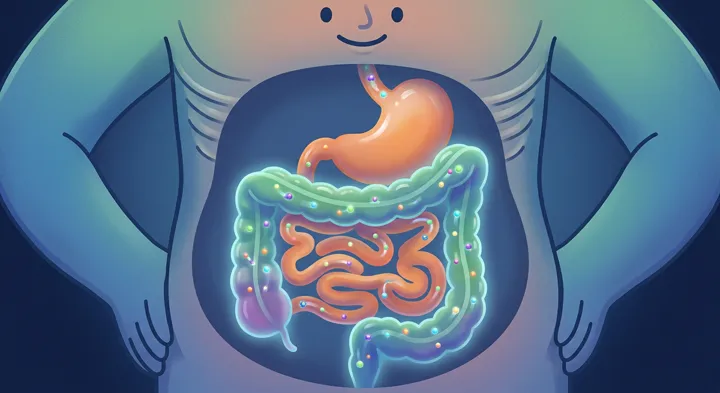
Bloating is the feeling that your tummy is full, tight or stretched. Sometimes your belly looks bigger too. It's most often caused by gas in the gut, though how sensitive your gut is to that gas also plays a part.
8 common everyday causes
- Eating too fast. Wolfing down food means swallowing more air and giving your stomach less time to signal that it's full.
- Big portions. A very large meal simply stretches the stomach.
- Fizzy drinks. The bubbles in soft drinks, beer and sparkling water add gas directly.
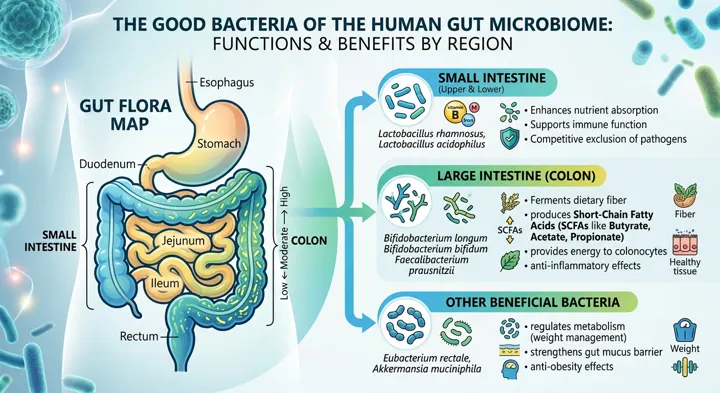
- Gas-producing foods. Beans, lentils, onions, garlic, cabbage, broccoli and Brussels sprouts are healthy, but your gut bacteria make gas as they ferment them.
- Raising fibre too quickly. More fibre is good for you, but a sudden jump (including fibre supplements) often brings temporary bloating.
- Sugar alcohols and some sugars. Sorbitol and similar sweeteners in "sugar-free" lollies and gum, and foods high in fructose, are common triggers.
- Chewing gum and drinking through straws. Both mean swallowing extra air.
- Constipation. When things are backed up, gas has nowhere to go.
Stress and hormones can play a part as well. Many women notice more bloating before their period, and stress can change how the gut moves and how sensitive it feels (see how your gut and brain talk).
Simple habits that often help
- Slow down. Put your fork down between bites and chew thoroughly.
- Eat smaller meals more often instead of one or two huge ones.
- Swap fizzy drinks for still water or herbal tea for a week and see if it changes things.
- Keep a simple food diary. Note what you ate and when you felt bloated. Patterns often jump out after a week or two.
- Increase fibre gradually and drink more water as you do.
- Go for a walk after meals. Gentle movement helps move gas along.
When to see a doctor
Occasional bloating after a big meal is normal. See your GP if bloating is ongoing or doesn't improve, and see a doctor promptly if it comes with any of these:
- Unexplained weight loss
- Blood in your poo, or black poo
- Vomiting, or severe or worsening pain
- A fever
- Difficulty swallowing
- A big change in your bowel habits
Conditions such as irritable bowel syndrome (IBS), coeliac disease and lactose intolerance can all cause regular bloating, and they're worth getting properly checked rather than guessing. You can also call the healthdirect helpline on 1800 022 222 to speak with a registered nurse, any time (healthdirect).
Adding more fibre? Read psyllium husk vs chia seeds for tips on doing it without the bloat.