Your Gut and Brain Are Talking. Here's What They're Saying
Ever had butterflies before a job interview, or felt your stomach drop when you got bad news? That's not just a figure of speech. Your gut and your brain are wired together, and they talk to each other all day long.
Scientists call this link the gut-brain axis. It's a two-way street: your brain sends signals down to your gut, and your gut sends even more signals back up. Here's how it works, explained simply.
Your "second brain" lives in your belly
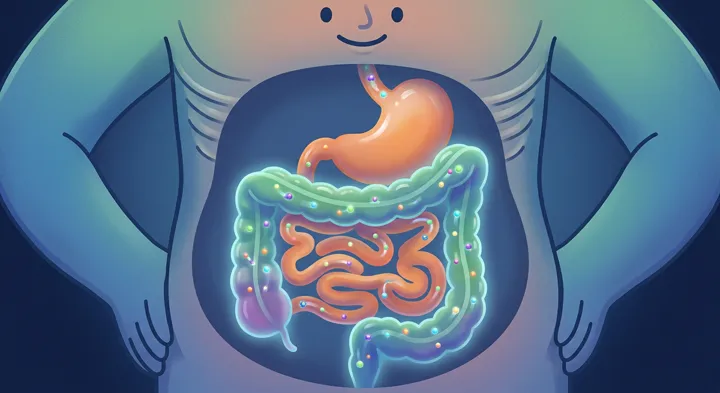
Lining your digestive tract, from your throat all the way down, is a mesh of nerve cells called the enteric nervous system. It's often estimated to contain around 500 million neurons, which is why it gets the nickname "the second brain".
This second brain runs most of digestion on its own. It decides when to squeeze food along, when to release digestive juices, and how fast things move. It doesn't need your permission. But it does stay in close contact with the brain in your head.
The vagus nerve: a direct phone line
The main cable connecting the two is the vagus nerve, a long nerve running from your brainstem down to your organs. Here's the surprising part: most of its fibres carry messages up from the gut to the brain, not the other way around. Researchers estimate around 80% of vagus nerve fibres are sensory, reporting back on what's happening inside you (Bonaz et al., 2018).
So your gut isn't just taking orders. It's constantly updating your brain on how full you are, what you've eaten, and whether something seems off.
Your gut bacteria join the conversation
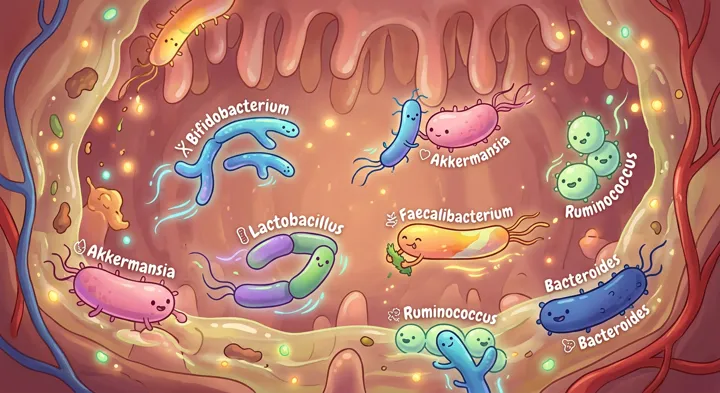
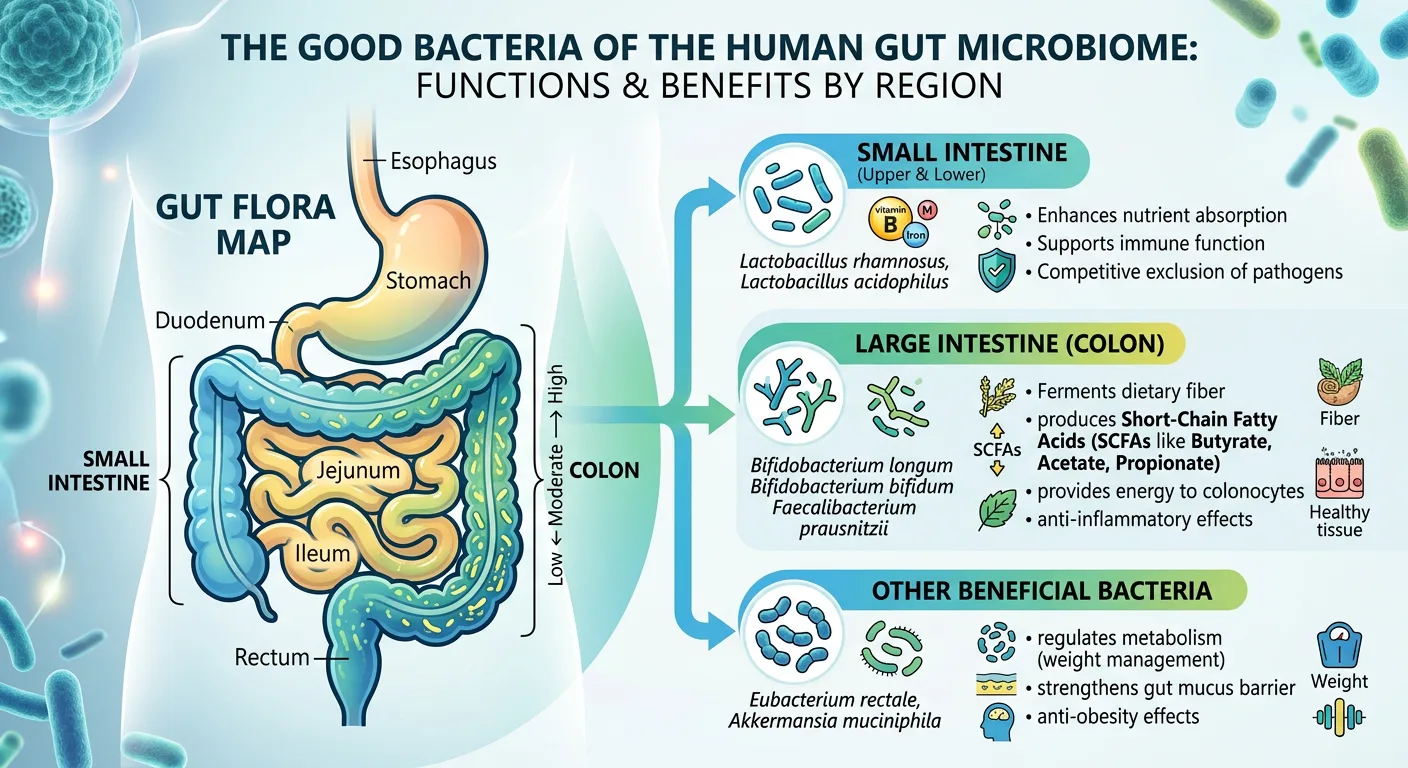
Your gut is home to trillions of microbes, collectively called the gut microbiome. They don't just help digest food. When they ferment the fibre you eat, they produce compounds such as short-chain fatty acids, and some bacteria release chemical messengers that act on the nerves in your gut wall.
Some of this reaches the brain through the vagus nerve. Some travels through the immune system and the bloodstream. Scientists are still mapping exactly how much influence these signals have, but it's one of the most active areas of health research right now.
The serotonin surprise
Serotonin is best known as a brain chemical linked to mood. Yet an estimated 90% of the body's serotonin is actually made in the gut, by special cells in the intestinal lining. A well-known Caltech study found that certain gut bacteria help those cells make it (ScienceDaily, 2015).
One important detail that often gets lost: serotonin made in the gut mostly stays in the body. It helps control how your gut moves, and it doesn't simply flow into your brain. So "your gut makes your happy chemicals" is a bit of an oversimplification. The real story is that gut and brain influence each other through many pathways at once.
It goes both ways: stress shows up in your stomach
The brain-to-gut direction is something most of us have felt. When you're stressed, your body shifts into fight-or-flight mode, and the calming "rest and digest" side of your nervous system (which the vagus nerve is a big part of) takes a back seat. Digestion can speed up, slow down, or just feel unsettled.
That's why a stressful week often comes with a grumpy stomach, and why eating in a rush tends to sit badly.
What the science does (and doesn't) say
The gut-brain connection is real and well established. But a lot of the exciting headlines come from studies in mice, and research in people is still catching up. Be wary of anyone promising that a single product will fix your mood or your mind through your gut. The honest picture is that a healthy gut is one part of overall wellbeing, alongside sleep, movement and the people around you.
5 everyday habits that support your gut and your brain
- Eat a wide variety of plants. Vegetables, fruit, legumes, wholegrains, nuts and seeds feed a more diverse mix of gut bacteria. Australian guidelines suggest adults aim for around 25 g of fibre a day for women and 30 g for men (NHMRC).
- Add some fermented foods. Yoghurt with live cultures, kefir, sauerkraut and kimchi are easy places to start.
- Slow down at meals. Sitting down and chewing properly gives the "rest and digest" system a chance to do its job.
- Protect your sleep. Gut and brain both work better on a regular sleep routine. More on that in our guide to how stress and sleep affect digestion.
- Keep moving. A daily walk helps keep things moving through your gut and is good for your mood too.
Want to start with fibre? Our guide to prebiotics vs probiotics explains what your gut bacteria actually eat, and psyllium husk vs chia seeds compares two of the easiest ways to add more fibre to your day.